
Many Importers Assume They Serve the Same Purpose
When companies first begin sourcing overseas, it’s common to hear inspections and audits discussed as if they’re interchangeable.
They aren’t.
Both help reduce risk, but they focus on very different parts of the supply chain. One looks closely at the products being made. The other looks at the systems and processes behind those products.
Understanding that distinction can help businesses make better sourcing decisions and avoid gaps in their quality control strategy.
Product Inspections Focus on What Is Being Produced
An inspection is generally concerned with the products themselves.
Are the goods meeting specifications? Do dimensions match requirements? Is the packaging correct? Are there visible defects that could create customer complaints?
These are the kinds of questions inspections are designed to answer.
The timing can vary. Some inspections happen during production while others take place when goods are completed and ready for shipment. The goal remains the same: verify that the products meet the agreed standards before they move further through the supply chain.
For many businesses, inspections act as an important checkpoint before products leave the factory.
Audits Focus on How the Factory Operates
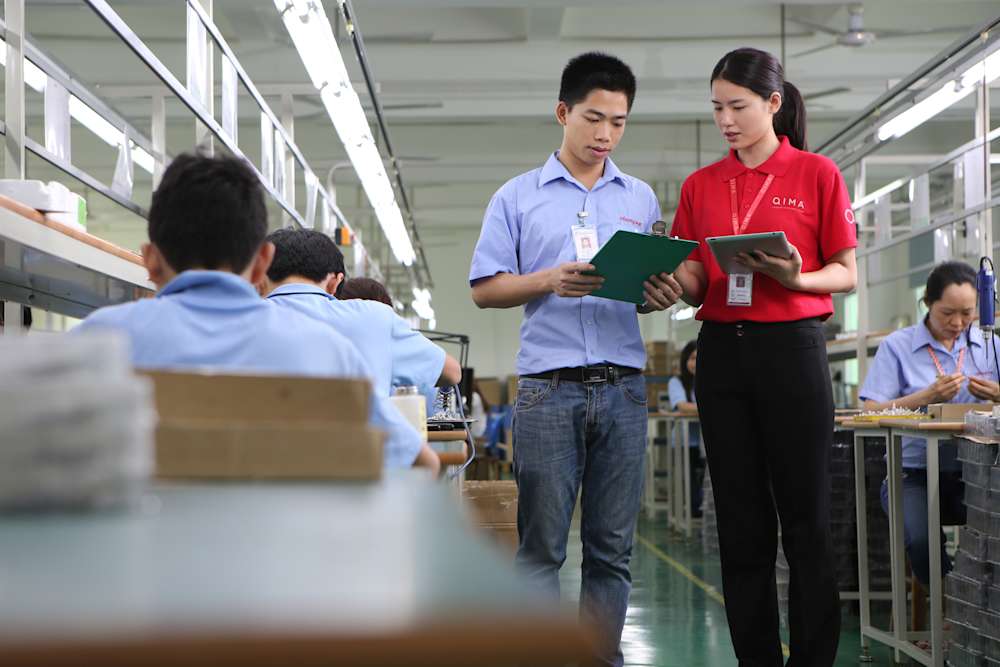
A factory audit takes a broader view.
Instead of examining finished products, auditors evaluate the factory itself. They review production systems, quality management procedures, staffing, documentation practices, equipment, and operational controls.
Think of it this way: an inspection asks whether the current products look acceptable. An audit asks whether the factory has the systems needed to produce acceptable products consistently over time.
Both questions matter.
A factory may deliver a good shipment today while still having weaknesses that create problems later. Audits help uncover those risks before they affect future orders.
The Strongest Programs Often Use Both
Many experienced importers don’t choose between inspections and audits. They use both where appropriate.
Working with providers that offer inspection and factory audit services allows businesses to evaluate both the products and the manufacturing environment behind them. This creates a more complete picture of supplier performance.
An inspection may reveal a defect trend. An audit may help explain why that trend exists. Together, they provide insights that neither process could fully deliver on its own.
That combination can be especially valuable when working with new suppliers or expanding production volumes.
Problems Usually Start in the Process Before They Reach the Product
One reason audits have become more popular is that many quality issues originate long before defects appear in finished goods.
Weak training programs. Inconsistent documentation. Poor process control. Equipment maintenance issues. These factors often create the conditions that lead to quality problems later.
By the time defects show up during an inspection, the underlying cause may have existed for weeks or months.
Audits help identify those weaknesses earlier, making it easier to address them before they impact production.
Supplier Selection Is Just as Important as Product Verification
A common mistake buyers make is focusing heavily on product checks while spending very little time evaluating the supplier itself.
The reality is that supplier quality often determines product quality.
A factory with organized systems, experienced management, and strong internal controls is generally more likely to deliver consistent results than one operating without structure. While inspections remain important, selecting the right supplier from the beginning can reduce many problems before they occur.
That’s one reason audits are often used before major sourcing relationships are established.
Risk Reduction Works Best When It Starts Early
The most effective quality control programs don’t wait until products are packed and ready to ship.
They start much earlier.
By combining supplier evaluation, process reviews, and product verification, businesses gain better visibility throughout the sourcing journey. That visibility makes it easier to identify potential problems while there is still time to correct them.
In the end, inspections and audits are not competing services. They’re complementary tools that help businesses make smarter decisions, improve supplier oversight, and build more reliable supply chains over the long term.